
Drones & autonomy
Drones as a Service: moving beyond the individual flight
Turning flight capability into dependable services for businesses and public-safety agencies.
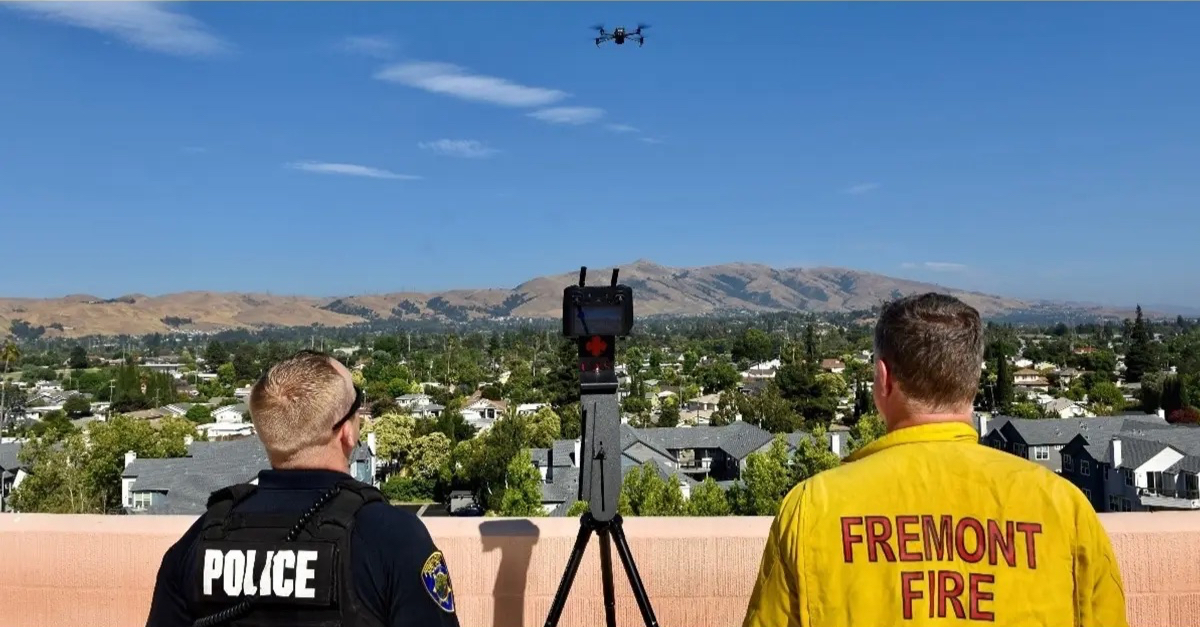
A drone flight can produce a useful image. A dependable drone program helps an organization decide what to do next, week after week, across multiple locations. That difference is where we see the strongest opportunity for Drones as a Service.
Independent pilots helped make commercial drone work possible. Their expertise remains essential. But a business or public-safety agency may need more than one person's availability and a folder of images. It needs consistent coverage, usable information, and someone accountable for delivery.
What is Drones as a Service?
Drones as a Service, or DaaS, is a commercial model in which a customer buys a defined drone-enabled service instead of building every part of the operation itself. Depending on the agreement, the provider may supply aircraft, qualified personnel, maintenance, data processing, and reporting.
The term is used broadly. Here, we mean an ongoing managed service with clear responsibilities and deliverables. It can involve pilots in the field, remote operations, or a combination. Automation is an option within the model; it is not a requirement for calling a service DaaS.
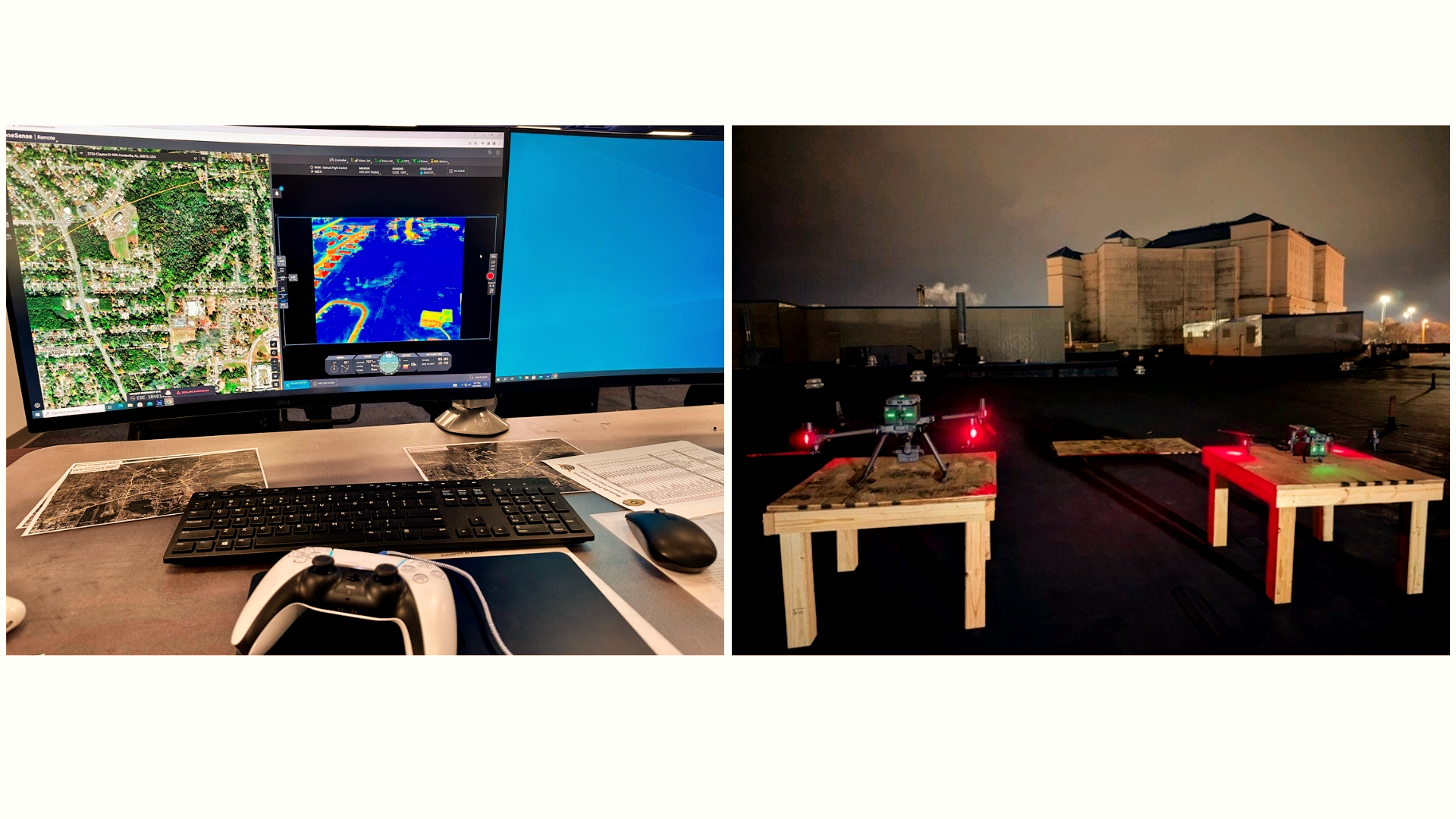
The customer buys a result
Consider an illustrative industrial inspection program. A one-time assignment might deliver aerial photographs of a facility. A managed program could provide scheduled inspections, comparable records over time, reviewed findings, and reports delivered into the customer's maintenance process.
The aircraft is part of both. The difference is the work around the flight: defining the inspection, validating the information, and making it useful to the person responsible for the asset.
What a stronger service agreement defines
- Coverage: which locations and assets are included, how often they are inspected, and what conditions prevent a mission.
- Deliverables: required image quality, reporting formats, review responsibilities, and turnaround times.
- Continuity: maintenance, replacement equipment, backup personnel, and escalation when a visit is missed.
- Accountability: who operates, who handles approvals, who owns the data, and who accepts the completed work.
A recurring contract can make service delivery and revenue more predictable. It does not automatically make the operation profitable. Travel, insurance, equipment downtime, data review, and customer support still need to be priced into the work.
Public safety needs a ready program
The same service model can support agencies whose demand is unpredictable. A department may need a drone tomorrow morning or during an overnight incident. The recurring need is readiness: trained people, maintained aircraft, and a reliable way to share information.
SkyfireAI's DFR offering combines aircraft, software, training, regulatory support, and pilot services. Its published applications include hazardous-scene assessment and missing-person searches. Explore SkyfireAI's public-safety applications. The following examples show how those kinds of missions can be organized as managed services.
Fire-scene assessment
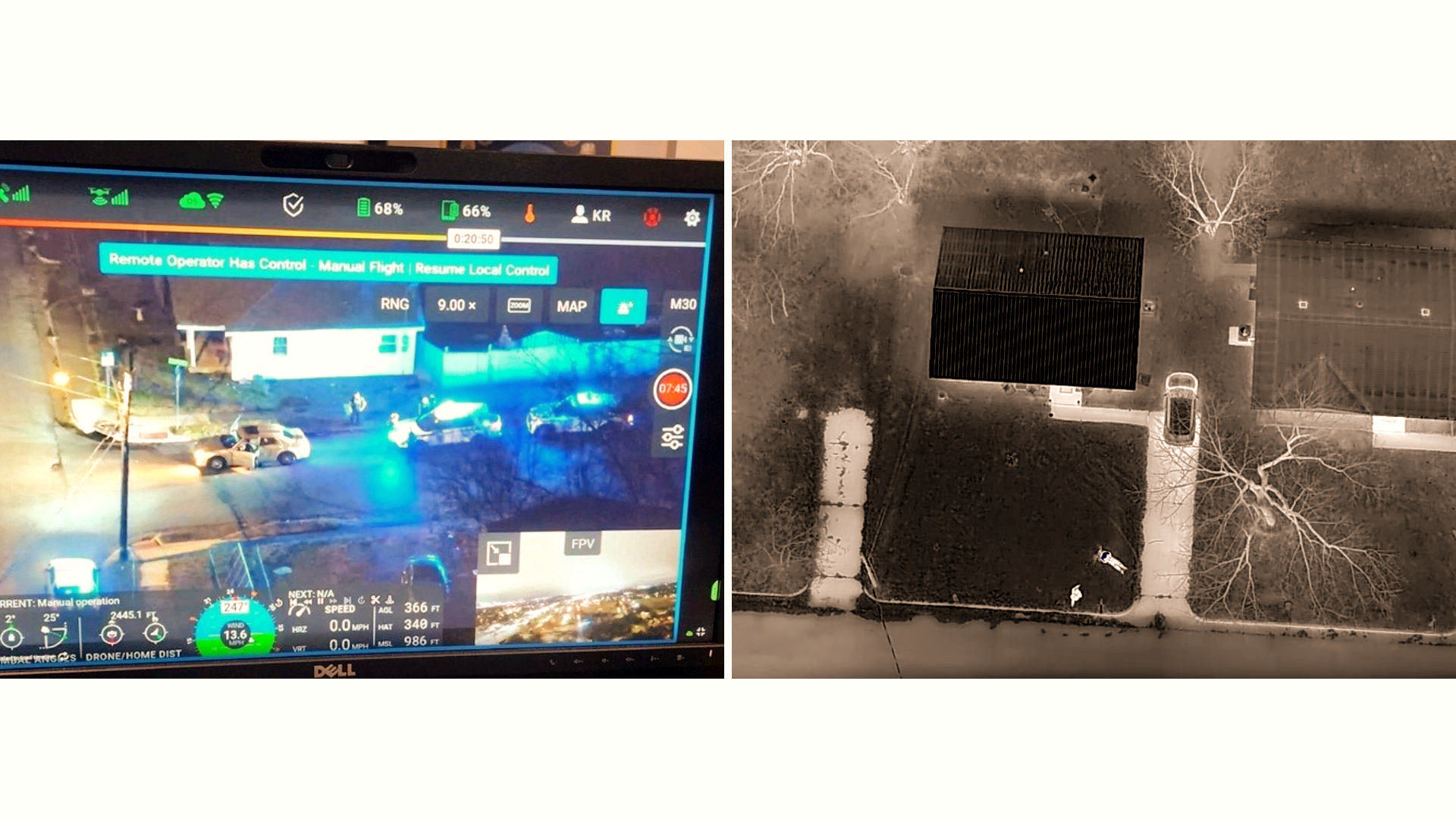
An aerial view can help an incident commander assess a scene. A service agreement could cover equipment readiness, qualified crew availability, and delivery of the live feed to command. The useful deliverable is a view responders can interpret alongside ground reports, rather than footage delivered after the event.
Search and rescue
Drone imagery can support a missing-person search. A managed program could provide trained crews, maintained visual and thermal cameras, and consistent records of areas searched. Performance should be assessed by usable coverage and the quality of information handed to search teams; finding a person cannot be guaranteed.
Incident response and DFR
A Drone First Responder program can provide aerial context for an incident. A service agreement should define dispatch coordination, operating hours, authorized missions, and who receives the information. Agencies retain responsibility for response decisions and their data-use policies.
DFR describes an operational approach, while DaaS describes a commercial model. A department can operate DFR in-house or contract for parts of the program. U.S. agencies should use the FAA's public-safety guidance to identify the appropriate operating pathway.
The shift is visible in real operations
Percepto describes remote industrial inspection deployments that combine on-site drones with its AIM software. Its published examples include utility infrastructure and refinery monitoring. These illustrate how flight, data management, and operational oversight can form an integrated program. They are vendor-reported examples, not evidence that every installation has the same economics or commercial contract. See Percepto's remote operations examples.
Delivery offers another view. In January 2026, Zipline announced that it had surpassed two million commercial deliveries. That company-reported milestone illustrates repeated service delivery at scale, rather than a succession of unrelated aerial assignments. Delivery and inspection have different requirements, but both depend on a system that can perform repeatedly. Read Zipline's announcement.
These examples support the opportunity for managed operations. They do not establish that DaaS has replaced independent pilots across the industry.
Watch: SkyfireAI's DFR footage
This clip appears on SkyfireAI's Drone First Responder page. It provides visual context for a public-safety application of drone operations; it does not establish the commercial terms or performance of a managed-service contract.
Skilled pilots have a larger role to play
The dividing line is the operating model, not the size of the team. A skilled independent pilot can build a recurring service, specialize in a customer's workflow, or join a network that provides broader geographic coverage.
That creates room for field specialists, mission supervisors, maintenance technicians, and analysts who understand the assets being inspected. A small team with reliable processes can be more valuable than a larger fleet without consistent delivery.
One-off work still makes sense for occasional photography, a single survey, or a tightly scoped project. Managed services become more compelling when the need repeats and the customer benefits from comparable information over time.
Start with the workflow, then build the service
For manufacturers and commercial partners, the first question should be specific: which recurring customer problem can this equipment help solve? Define a narrow use case, agree on success measures, and prove that the complete service can be delivered before expanding.
Useful measures include completed inspections against schedule, accepted reports, time from capture to a reviewed finding, and cost per accepted deliverable. Hours flown alone say little about whether the customer received value.
Regulatory permission must match the actual operation. For example, the FAA maintains a specific U.S. certification pathway for package delivery under Part 135. An approval for one operator or mission should not be treated as permission for a different service or country. Review the FAA's package-delivery guidance.
Our view: the businesses that move this industry forward will connect capable aircraft and skilled people to a repeatable customer outcome. DaaS gives that work a commercial structure. The opportunity is to build an operation customers can keep using, renewing, and expanding.
Built to execute.
Turn capability into a market opportunity
Talk with SalesBotix about market development, commercial partners, and the customer needs behind your drone technology.
Connect with SalesBotix