
Critical infrastructure
Protecting Data Centers Beyond Cybersecurity
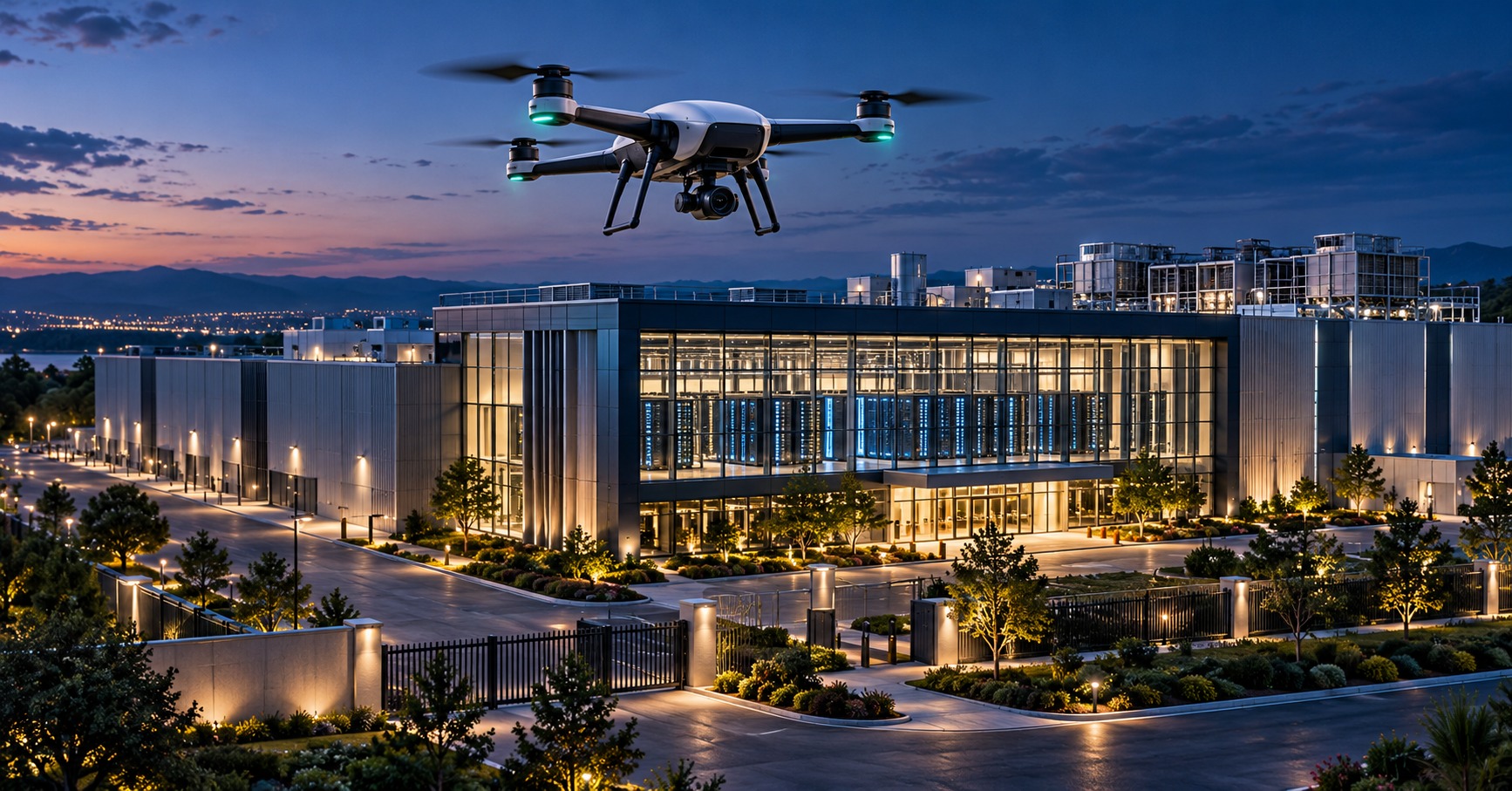
A data center can withstand a cyberattack and still lose the ability to operate.
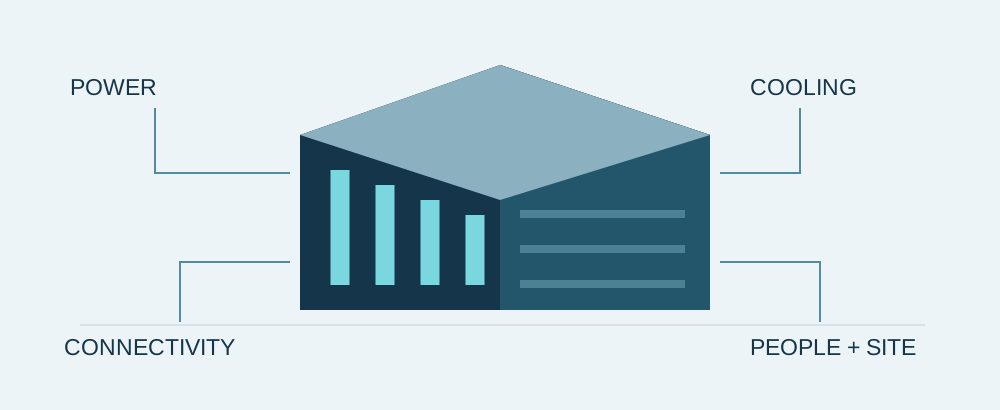
Servers depend on buildings, power, cooling, connectivity and people. Protecting the information inside them requires protecting those physical foundations, too.
A recent Financial Times commentary (https://www.ft.com/content/15a049f3-b62e-40ed-b304-8a2452713338) raises an important question about the physical vulnerability of computing infrastructure. For owners, operators and the companies supplying their protection, the implication is clear: security planning must connect digital resilience with physical preparedness.
At SalesBotix, we see this as a conversation about operational requirements. What must keep working? What could interrupt it? And which capabilities will actually reduce that risk?
Start with the cost of interruption
The value of a data center extends beyond the equipment inside it. Its services may support payments, communications, logistics and other essential operations. An incident can affect organizations far beyond the facility itself.
That changes the purchasing conversation. Equipment specifications matter, but so do the consequences of downtime, the dependencies between systems and the time required to restore service.
A sound protection plan should begin with those questions before a product shortlist is created.
Detection must lead to a response
Drone-related risks deserve consideration within a site-specific security assessment. CISA’s Be Air Aware program (https://www.cisa.gov/topics/physical-security/be-air-aware) addresses both the physical and cyber risks drones can pose to critical infrastructure, alongside resources for managing them.
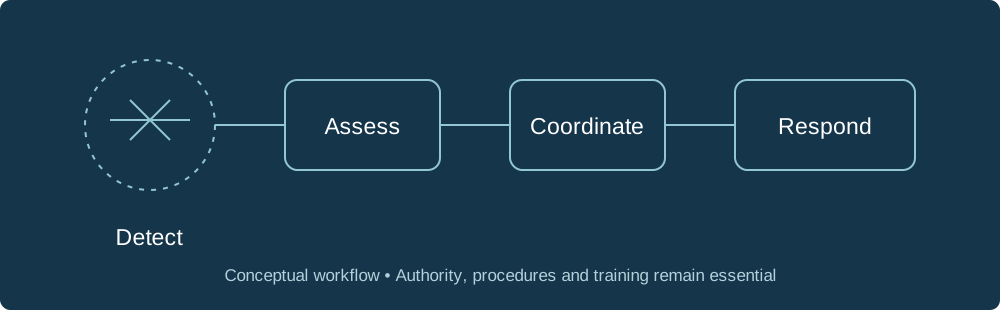
For buyers, the practical question is what happens after an alert.
Who receives it? Who determines whether it represents a threat? How does the security team coordinate with emergency services? Who has authority to respond?
Detection technology needs trained operators, clear procedures and a defined place within the wider security system. Any proposed counter-drone measures should undergo local legal and operational review before procurement. Detecting an aircraft and taking action against it are different requirements.
Match protection to the actual threat
Physical protection should follow a credible assessment of the facility and its exposure. Access controls, protective construction, fire protection and specialist protective systems serve different purposes. Their performance claims should be evaluated against the specific conditions they are intended to address.
A product proven for one hazard should never be assumed to protect against another.
The goal is a coordinated set of measures that protects people, reduces disruption and supports an effective response. More equipment does not automatically produce greater resilience.
Plan for recovery as well as prevention
Protection cannot eliminate every failure scenario. Operators also need to understand how they will maintain or restore essential services after an incident.
That means examining backup arrangements, recovery procedures and dependencies across locations. Two facilities may still share a vulnerability if they rely on the same supporting infrastructure.
Storing data within national borders may serve governance objectives. It does not, by itself, demonstrate that the service can survive a physical disruption.
Local Risks. Stronger Protection.
Conflict-zone events should not be treated as a forecast for every market. For operators in the United States and Latin America, the useful lesson is to evaluate local conditions rather than copy another region’s security model.
Power and connectivity dependencies, natural hazards, site access, emergency-response capacity and the availability of qualified support all belong in that discussion.
For manufacturers and buyers, successful deployment requires more than a strong technical specification. Local requirements, installation responsibilities, training, maintenance and ongoing support must be understood before a purchase becomes an operational commitment.
Physical protection and aerial awareness
Mehler Protection and SkyfireAI bring relevant capabilities to two important layers of data-center security: protecting critical assets and giving security teams a clearer view of what is happening around them.
Mehler Protection: engineered physical protection
Mehler Protection’s platform-armour portfolio includes critical infrastructure. Its M-RACC product family is positioned around protection informed by risk and vulnerability analysis. For data-center operators, the starting point is to identify exposed critical assets and evaluate the appropriate protective configuration against the site’s specific threats and engineering requirements.
SkyfireAI: aerial security and situational awareness
SkyfireAI’s private-security offering includes aerial overwatch, thermal and daylight cameras, and real-time video for command teams. Its automation capabilities include object detection and tracking and pre-programmed routes. At a suitable data-center site, these capabilities could support perimeter observation and help responders assess an incident before approaching it.
Across the U.S. and Latin America, these are complementary capabilities to evaluate within a site-specific protection plan. Deployment must account for engineering, aviation and privacy requirements, trained operators and response procedures. Aerial observation is distinct from intercepting hostile drones.
Buy capability that can be demonstrated
Our perspective at SalesBotix is straightforward: mission-critical purchasing should be tied to measurable outcomes.
Before selecting a solution, define the requirement, establish how performance will be demonstrated and identify who will support it throughout its working life.
The cloud may feel distant from the physical world. The services it supports are not. Protecting them demands the same discipline we should expect from any mission-critical investment: clear requirements, proven performance and preparation for the day those capabilities are needed.
Related Intelligence
Explore protection and drone operations.
Drones as a Service: moving beyond the individual flight
Mehler Systems SCILT: a closer look at counter-drone protection
Talk to SalesBotix